Minn. attorney general files for emergency relief to protect SNAP recipients
State contends that USDA demand to reverify 100,000 households via in-person interviews is impossible, unlawful; failure to do so would end SNAP funding
Minnesota Attorney General Keith Ellison filed for emergency relief to protect Supplemental Nutrition Assistance Program (SNAP) benefits for the almost half a million Minnesotans who rely on the program.
That filing, which occurred on Dec. 29, is part of Ellison’s Dec. 23 lawsuit challenging the United States Department of Agriculture’s (USDA) recent demand that, within 30 days, Minnesota interview in person roughly 100,000 households receiving SNAP benefits to verify their eligibility for the program. A press release from the attorney general’s office called the demand “impossible and unlawful.”
The Trump administration threatened to cut off Minnesota’s SNAP administrative funding and disqualify it from SNAP altogether unless Minnesota complies with USDA's demands, which, under federal law, it is prohibited from making, according to the release.
In Minnesota, roughly 440,000 people receive SNAP benefits each month, including approximately 150,000 children, 70,000 seniors and 50,000 adults with disabilities.
Minnesota is seeking a temporary restraining order or expedited preliminary injunction that would prohibit the federal government from enforcing its demand while the rest of the case is litigated.
Background
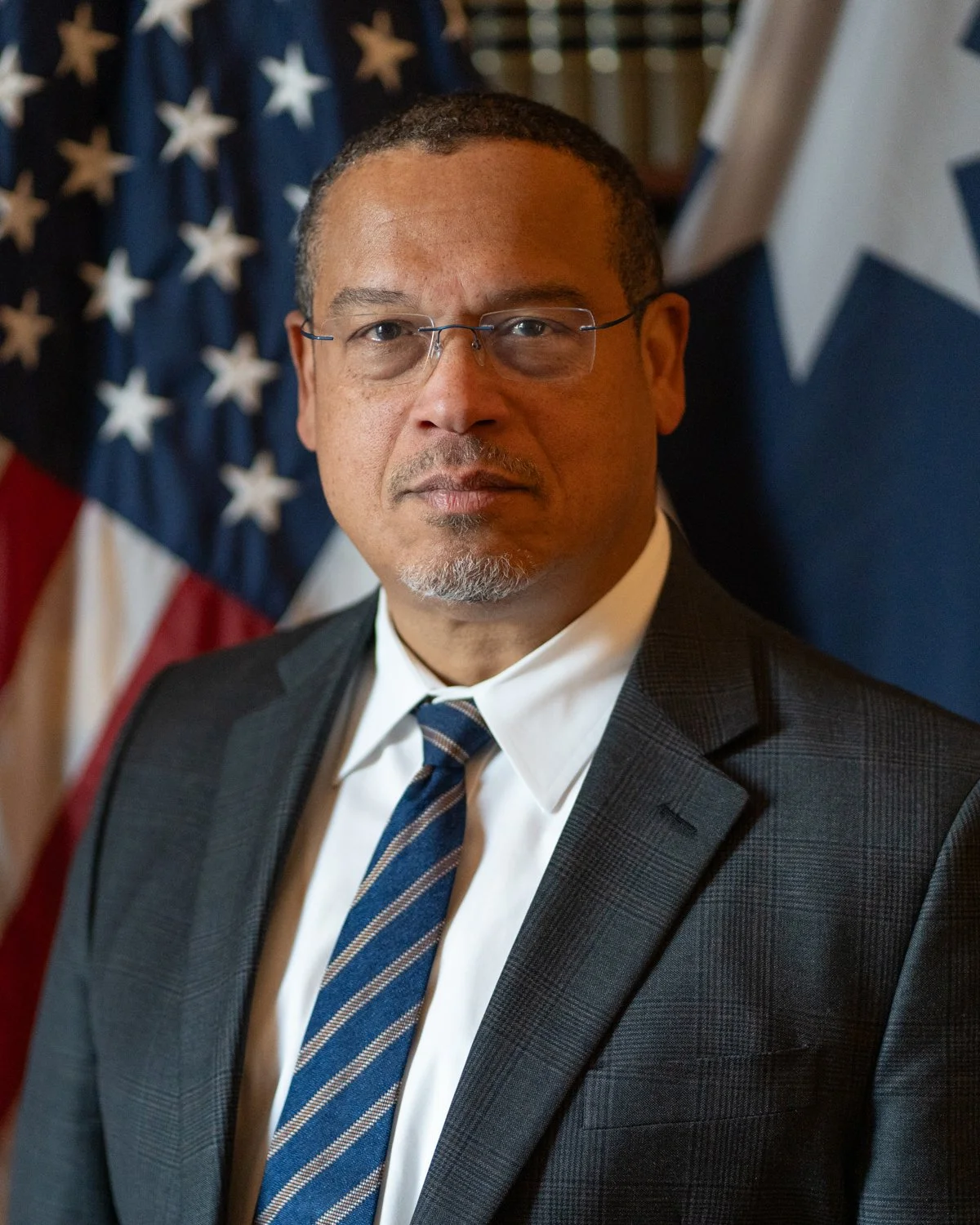
Minnesota Attorney General Keith Ellison
Contributed photo / Attorney General’s Office
On Dec. 16, Secretary of Agriculture Brooke Rollins sent a letter to Minnesota officials purporting to require Minnesota to “recertify” the eligibility of almost 100,000 SNAP households in Hennepin, Ramsey, Washington and Wright counties within 30 days from the receipt of the letter, or by Jan. 15, 2026.
The release states she further demanded that Minnesota conduct in-person interviews with each of those households as part of the recertification process. Minnesota would face punitive action if it failed to comply, including disqualifying Minnesota from SNAP.
Ellison argues in his lawsuit that USDA’s demand violates several aspects of federal law, including the Food and Nutrition Act and the Administrative Procedure Act.
In Minnesota, SNAP households are already recertified regularly. Conducting additional in-person interviews and recertifications of almost 100,000 households within 30 days would be impossible, the press release states, even if the federal government had provided advance notice and even if Minnesota and its county partners redirected all available resources to the effort.
Even attempting to complete this mammoth process in the timeframe provided would cause harm to county residents who need assistance with other programs or service — and pull resources from fraud-investigation programs that are better suited to protect the integrity of SNAP.
Hennepin County officials alone estimate that completing USDA’s request would require 60,000 hours of evening and weekend work hours from staff at a cost of $4 million in overtime expenditures.
The federal government has stated that its intention is to crack down on fraud. According to USDA’s data, Minnesota’s payment error rate in 2024 was two percentage points lower than the national average and lower than the error rates of 33 other states and territories. However, USDA is only demanding that Minnesota and Colorado recertify participants. Furthermore, a report produced by the Congressional Research Service in 2025 found that “SNAP fraud is rare.”
Additionally, SNAP recipients in Minnesota are already recertified, generally at 12-month intervals.