Rate of Uninsured Minnesotans Climbs to Six-Year High
Data released by the latest Minnesota Health Access Survey shows an estimated 5.8% of state residents were uninsured in 2025, compared to a historic low of 3.8% in 2023.
The 16,000-person survey was conducted by the Minnesota Department of Health. They say survey data appears to show the increase in the uninsured rate is driven by a decrease in public insurance coverage, which dropped from 44.1% to 39.6%.
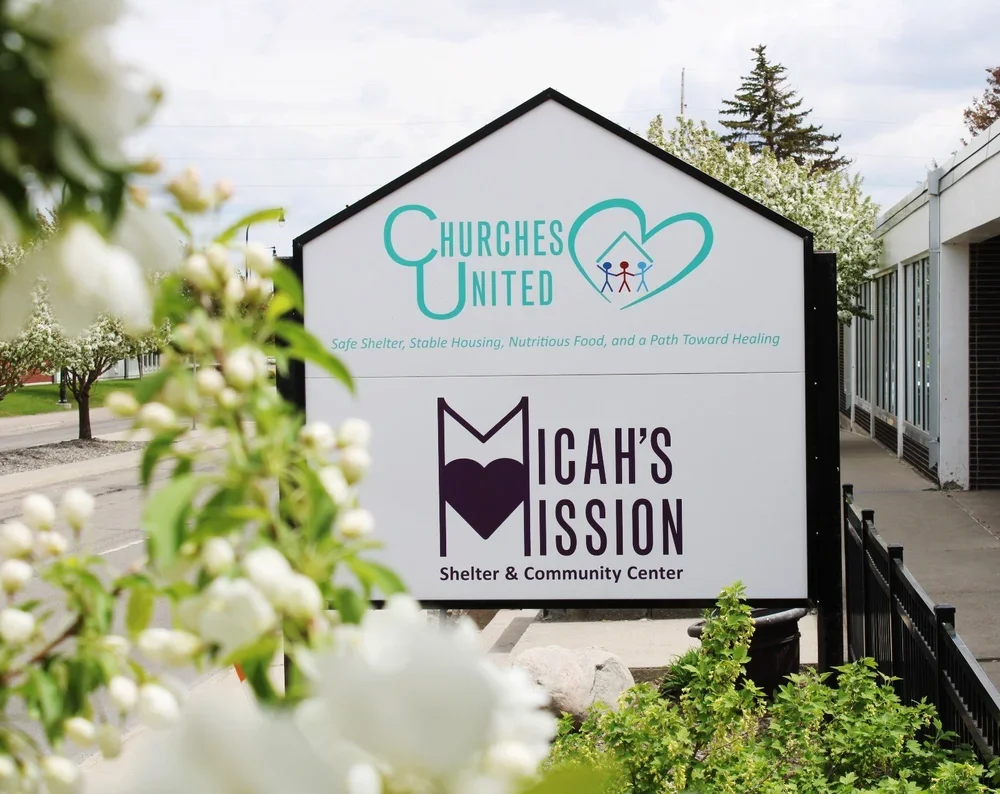
A road sign depicting Micah’s Mission and Churches United outside their primary location.
Minnesota Department of Health researchers say people in the state with lower incomes are twice as likely to be impacted, with survey data showing that 13% of people with an income below 200% of the Federal Poverty Guidelines were uninsured in 2025.
In addition, more than 12% of insured Minnesotans say they worry about losing coverage. This is an increase from 7.7% in the 2023 survey, with respondents expressing concern over rising costs and insurance coverage becoming too expensive.
Long-standing disparities are also reflected in the data by race and ethnicity. According to the survey, Hispanic Minnesotans are the most likely to be without coverage, with more than 20% reporting they are uninsured. This number is three times the current uninsured rate statewide and much higher than the already significant 11.4% reported in 2023. Black and American Indian populations also reported high uninsured rates. An estimated 10.3% of Black Minnesotans and 10.5% of American Indians report being uninsured, compared to 6.3% and 5.7%, respectively. White Minnesotans also saw a significant increase, climbing from 2.5% to 3.8%.
"This survey shows growing financial anxiety for families across Minnesota," said Churches United CEO Pastor Devlyn Brooks. "Without health insurance, routine medical costs can push families closer to or into poverty through no fault of their own. Preventative care becomes harder to budget when insurance is harder to access. Our services are already seeing steady growth in community use. Without help from our neighbors, this problem will persist in the coming years."
The Minnesota Department of Health published a thorough review of the survey's findings. You can learn more in the full report below:
Findings from the 2025 Minnesota Health Access Survey